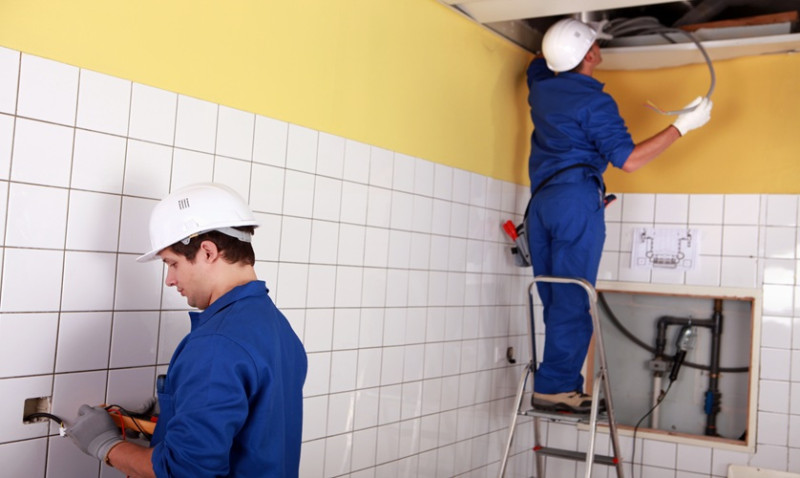
When looking for an electrician, you will often see the term NICEIC approved. This is one of the most recognised marks of competence in the UK electrical industry, but what does it actually mean and why should you care?
What Is NICEIC?
NICEIC stands for National Inspection Council for Electrical Installation Contracting. It is a nationally recognised assessment body that registers electricians and electrical contractors who can demonstrate they meet the required technical standards. To become NICEIC approved, an electrician must pass an initial assessment of their technical knowledge and the quality of their work, and then undergo regular re-assessment.
Why Accreditation Matters
Electrical work in UK homes is covered by Part P of the Building Regulations. Certain types of electrical work must either be inspected by building control or carried out by a registered competent person. NICEIC-registered electricians are part of a government-authorised competent person scheme, which means they can self-certify their work without you needing to separately notify building control.
This matters practically. If you sell your home, you will need to provide certificates for notifiable electrical work. Work done without proper certification can hold up a sale or require a retrospective inspection.
NICEIC vs NAPIT vs ELECSA
NICEIC is not the only scheme. NAPIT and ELECSA also operate government-authorised competent person schemes for electricians. All three are broadly equivalent in terms of the standards they set. What matters is that your electrician is registered with one of these schemes, not which specific one they belong to.
How to Check
You can verify NICEIC registration online at niceic.com using the contractor search tool. This shows current registration status and the types of work the contractor is assessed to carry out. It takes about thirty seconds and is worth doing before you book.
Getting Certification After the Job
On completion of notifiable work, you should receive an Electrical Installation Certificate (EIC) or a Minor Works Certificate for smaller jobs. Keep these documents safe as you will need them when selling the property.
Trending articles
-
 Electrical Safety at Home: Key Checks ...
Mar 2026
Electrical Safety at Home: Key Checks ...
Mar 2026
-
NICEIC Approved Electricians: Why It ...
Mar 2026
-
 EV Charger Installation in the UK: ...
Mar 2026
EV Charger Installation in the UK: ...
Mar 2026
-
 Electrical Safety in UK Homes: What ...
Mar 2026
Electrical Safety in UK Homes: What ...
Mar 2026
-
 Electrician Costs in the UK: A ...
Mar 2026
Electrician Costs in the UK: A ...
Mar 2026
-
 Electrician Day Rates and Prices in ...
Feb 2026
Electrician Day Rates and Prices in ...
Feb 2026