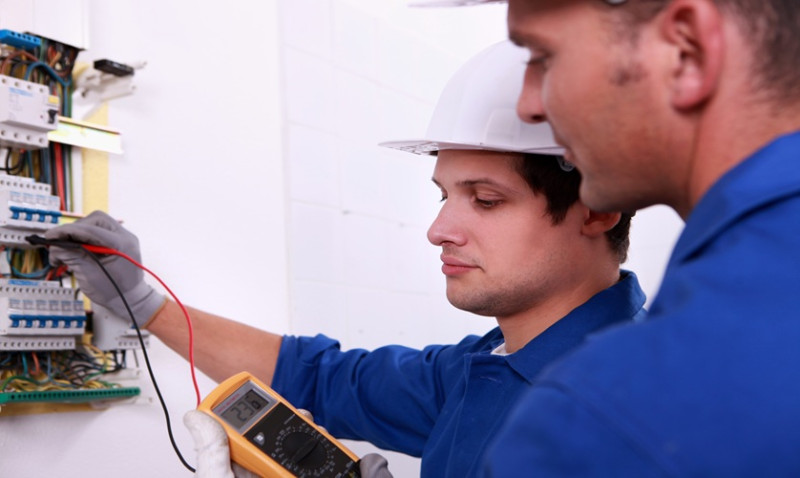
Electrical faults are a leading cause of domestic fires in the UK. Most are preventable with appropriate maintenance, periodic inspection and awareness of common hazards.
Electrical Installation Condition Reports
An EICR (Electrical Installation Condition Report) is an inspection of the fixed electrical installation — wiring, consumer unit, sockets and switches. Landlords must have an EICR every five years under the Electrical Safety Standards in the Private Rented Sector (England) Regulations 2020. For homeowners, the IET recommends every ten years or when buying a property.
EICRs cost £150 to £300 for a standard domestic property. Any unsatisfactory items (coded C1 or C2) require remedial work. A C1 indicates immediate danger; a C2 indicates potentially dangerous conditions requiring prompt attention.
Part P Building Regulations
Most electrical work in dwellings requires either self-certification by a registered electrician (NICEIC, NAPIT etc.) or a Building Regulations application to the local authority. Notifiable work includes new circuits, consumer unit replacement, and work in bathrooms or kitchens. Simple like-for-like replacements (replacing a socket or switch) do not require notification.
Common Hazards
- Overloaded extension leads — use a fused extension lead and do not plug multiple high-draw appliances into one socket
- DIY wiring — unregistered work creates safety risks and property sale complications
- Outdated consumer units without RCDs (residual current devices) — RCDs disconnect the circuit within milliseconds of a fault
- Damaged cables behind walls — rodent damage, nail punctures and age-related degradation are real risks in older properties
Smoke and Heat Alarms
Interlinked smoke alarms are required in all new homes. The Fire Safety (Scotland) Regulations 2022 required interlinked alarms in all Scottish homes by February 2022 — England has less prescriptive requirements but best practice is interlinked smoke alarms on each floor and a heat alarm in the kitchen.

Trending articles
-
 Electrical Safety at Home: Key Checks ...
Mar 2026
Electrical Safety at Home: Key Checks ...
Mar 2026
-
 NICEIC Approved Electricians: Why It ...
Mar 2026
NICEIC Approved Electricians: Why It ...
Mar 2026
-
 EV Charger Installation in the UK: ...
Mar 2026
EV Charger Installation in the UK: ...
Mar 2026
-
Electrical Safety in UK Homes: What ...
Mar 2026
-
 Electrician Costs in the UK: A ...
Mar 2026
Electrician Costs in the UK: A ...
Mar 2026
-
 Electrician Day Rates and Prices in ...
Feb 2026
Electrician Day Rates and Prices in ...
Feb 2026