EV Charger Installation in the UK: Costs and What to Know
Quick answer: EV charger installation costs in the UK vary based on the hardware selected and the complexity of the wiring. Most homeowners install a 7kW smart charger. Total costs typically include the unit price, labour for installation, and any necessary upgrades to the consumer unit or electrical board. Some eligible drivers and renters can reduce these costs using the OZEV grant. To get an accurate price, you should request a site survey from a certified electrician to assess cable runs and electrical capacity.
With electric vehicle sales rising, home charging is increasingly important. A home EV charger, known as EVSE (electric vehicle supply equipment), charges significantly faster than a standard three-pin socket. It is the most convenient way to ensure a full charge each morning. When planning your transition to electric driving, understanding EV charger installation costs and what to know before hiring a contractor is essential for budgeting.
For those looking for professional help, you can search for EV charger installation specialists to compare local quotes and availability.
How much does EV charger installation cost in the UK?
It is difficult to provide a single fixed price because every property is different. Instead, costs are determined by several variables. The hardware itself is the first major factor. A basic charger is cheaper than a smart charger with app connectivity and scheduling features.
Labour costs depend on the distance between your consumer unit and the charging point. If the electrician needs to drill through thick external walls or dig trenches to lay cables across a driveway, the price will increase. Groundworks are often the most unpredictable part of the budget.
Another variable is the state of your existing electrical system. If your consumer unit is outdated or lacks the capacity to handle the additional load of a charger, you may need a board upgrade. This ensures the system remains safe and prevents circuit overloads.
To avoid surprises, always ask for a detailed quote that breaks down the cost of the unit, the labour, and the materials. You can find more guidance on electrical safety in our articles section.
What are the different types of home chargers?
Most UK residential properties use 7kW single-phase units. These chargers typically provide between 30 to 40 miles of range per hour. For the average driver, this is adequate for overnight charging.
There are also 22kW three-phase chargers. These are much faster but require a three-phase electricity supply. Most UK homes only have a single-phase supply, meaning these units are generally reserved for commercial properties or very large luxury homes with specific electrical infrastructure.
You should also choose between basic and smart chargers. Basic chargers simply provide power. Smart chargers allow you to connect to an app, schedule charging for when electricity is cheapest, and monitor your energy usage in real time.
Which charger is best for your situation?
Choosing the right equipment depends on your living situation and your vehicle. Use the following guide to determine the best fit for your needs:
- The Budget-Conscious Homeowner: A basic 7kW charger is best if you have a simple installation path and do not need app control.
- The Energy-Saver: A smart 7kW charger is best for those on time-of-use tariffs who want to charge their car at 2am when rates are lowest.
- The Renter or Flat Owner: A portable or grant-eligible charger is best, provided you have the necessary permission from the landlord.
- The High-Mileage Driver: A 7kW smart charger is usually sufficient, but ensure your home supply can handle the load if you charge multiple vehicles.
Who should install your EV charger?
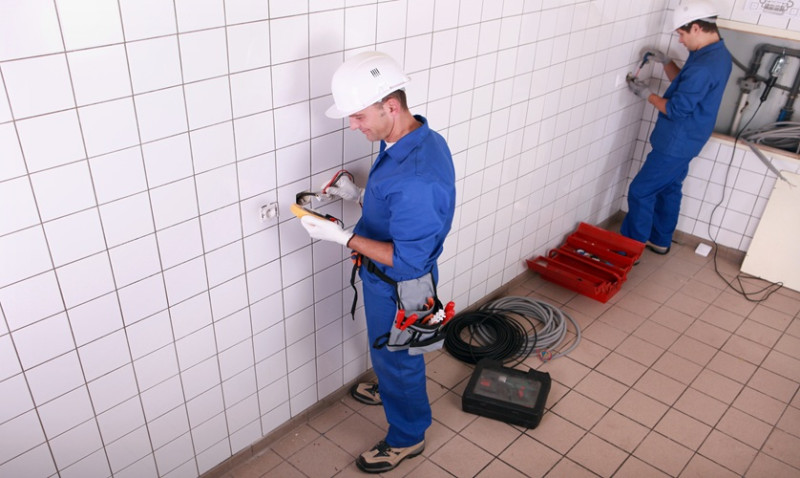
Installing an EV charger is not a DIY project. It involves high currents and must be integrated safely into your home's electrical system. You must hire a qualified professional to ensure the installation is legal and safe.
Ensure the electrician is NICEIC or NAPIT approved. These certifications prove that the contractor meets industry standards for safety and competence. The installation must comply with BS 7671 (18th Edition Wiring Regulations). Once the work is finished, the electrician must provide an Electrical Installation Certificate.
If you live in a leasehold property or a shared-ownership home, you must check with your freeholder or management company before starting work. You will likely need written consent to make alterations to the electrical supply and the building exterior.
You can find a wide range of certified professionals through the Electricians Around directory.
What is the OZEV EV Chargepoint Grant?
The Office for Zero Emission Vehicles (OZEV) provides grants to help reduce the cost of installing a home charger. This is designed to make the transition to electric vehicles more affordable for a wider range of people.
The grant typically provides a set amount off the cost of installation for eligible homeowners. There are separate grant routes for flat owners and people living in rented properties. To qualify, the charger must be a smart charger that meets OZEV specifications.
Crucially, the grant can only be claimed if the charger is installed by an OZEV-approved installer. If you hire an electrician who is not registered with the scheme, you cannot claim the money back. Always verify the installer's OZEV status before signing a contract.
The Installation Process: A Step-by-Step Checklist
Knowing what happens during the installation helps you prepare your property and verify that the work is being done correctly. A standard installation usually follows these steps:
- Site Survey: The electrician assesses the distance from the fuse box to the charger and checks the capacity of your electrical supply.
- Cable Routing: The technician drills the necessary holes and runs the heavy-duty cable from the consumer unit to the external wall.
- Mounting the Unit: The charger is securely fixed to the wall or a dedicated pedestal.
- Connection: The charger is wired into the consumer unit, often with a dedicated circuit breaker and RCD protection.
- Testing: The electrician performs safety tests to ensure there are no faults in the wiring.
- Certification: You receive an Electrical Installation Certificate and a user manual for the charger.
FAQ
How long does a typical EV charger installation take?
Most standard installations take between three and five hours. However, if the electrician needs to dig trenches for cables or upgrade your consumer unit, the process can take a full day or more.
Can I install an EV charger myself?
No. EV chargers require high-voltage wiring and specific safety protections. A DIY installation is dangerous and will not be certified, which could invalidate your home insurance and your vehicle warranty.
Do I need planning permission for a home charger?
In most cases, you do not need planning permission for a home charger as it falls under permitted development. However, if you live in a listed building or a conservation area, you should check with your local council first.
What is a smart charger?
A smart charger is a unit that connects to the internet via Wi-Fi or 4G. This allows the user to control the charger through a smartphone app, set timers, and integrate the charger with smart energy tariffs.
Will a home charger trip my electricity?
If installed correctly by a certified professional, it should not trip your electricity. The electrician will ensure your system can handle the load and will install a dedicated circuit to prevent interference with other appliances.
Trending articles
-
 Electrical Safety at Home: Key Checks ...
Mar 2026
Electrical Safety at Home: Key Checks ...
Mar 2026
-
 NICEIC Approved Electricians: Why It ...
Mar 2026
NICEIC Approved Electricians: Why It ...
Mar 2026
-
EV Charger Installation in the UK: ...
Mar 2026
-
 Electrical Safety in UK Homes: What ...
Mar 2026
Electrical Safety in UK Homes: What ...
Mar 2026
-
 Electrician Costs in the UK: A ...
Mar 2026
Electrician Costs in the UK: A ...
Mar 2026
-
 Electrician Day Rates and Prices in ...
Feb 2026
Electrician Day Rates and Prices in ...
Feb 2026